Dry Needling
A modern, evidence-based technique that targets myofascial trigger points to relieve muscular tension, reduce pain, and enhance functional movement.
What Is Dry Needling?
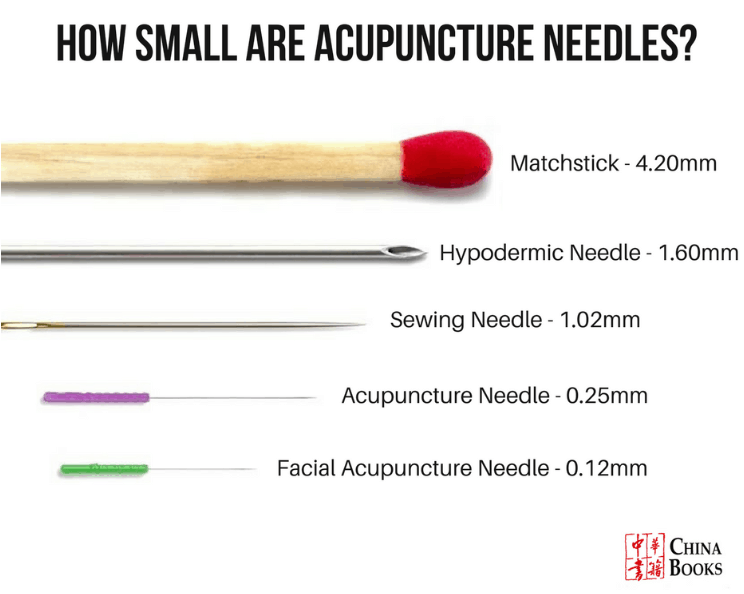
Dry needling is a targeted neuromuscular technique that involves inserting fine, sterile acupuncture needles into specific points within muscles known as myofascial trigger points.
These trigger points are often felt as tight bands or “knots” that can cause pain, stiffness, referred discomfort, or reduced range of motion.
Unlike acupuncture, which is based on Traditional Chinese Medicine, dry needling is rooted in Western anatomical and physiological principles.
The goal is to create a local twitch response—a brief, involuntary muscle contraction—which helps to “reset” the muscle, release tightness, and promote natural healing.
What Can Dry Needling Help With?
Dry needling may be used as part of a treatment plan to support:
Muscle pain and tightness

Myofascial trigger points

Repetitive strain injuries (RSI)

Sports injuries
Neck, shoulder, or back pain

Headaches and jaw tension (TMJ)

Tendinopathies and overuse syndromes

Postural dysfunction and muscular imbalances
It can be used as a stand-alone treatment or integrated with acupuncture, motor point stimulation, or manual therapies.

How Does It Work?
Trigger points are small, hyper-irritable spots within muscle tissue that can disrupt muscle function, refer pain, and reduce blood flow.
When a needle is inserted into one of these points, it can create a twitch response—a momentary contraction that helps relax the muscle, increase circulation, and restore mobility.
Dry needling also stimulates a neurophysiological response through the spinal cord and brain, influencing how the nervous system perceives and regulates pain.
In some cases, we may also apply electrical stimulation via a low-frequency electro-acupuncture machine to further enhance muscle reset and reduce residual dysfunction.
What to Expect in a Session
-
Your appointment begins with a thorough assessment of posture, range of motion, and muscular function
-
Specific trigger points are identified through palpation and functional testing
-
Fine needles are inserted into key muscles, with your comfort and consent at every step
-
You may feel a twitch response or dull ache, which is normal and usually brief
-
Some treatments may include electrical stimulation for deeper, longer-lasting effects
-
You may feel relaxed, looser, or mildly sore afterward—similar to post-exercise soreness
-
Aftercare instructions will be provided to optimise your recovery and results
Common Questions
Is dry needling the same as acupuncture?
No. While both use fine needles, dry needling is not based on Chinese medicine or meridian theory. It’s a Western technique targeting muscle dysfunction and trigger points.
At AcuEnhanced, we may blend dry needling with other approaches like acupuncture or motor point therapy based on your unique needs.
Does dry needling hurt?
It depends who does it & how much training they have had. Done well, by a qualified Acupuncturist you may feel a brief prick as the needle enters and a quick twitch or dull ache in the muscle. Most people tolerate it well and find the benefits outweigh the momentary discomfort.
Will I be sore afterward?
This will depend on how aggressive the needle technique is used. Acupuncturists usually use a more gentle approach. Some post-treatment soreness is common and usually resolves within 24–48 hours. It’s similar to how you might feel after a good workout or massage.
Is it safe?
Yes — when performed by a trained professional. Always ask how much needling training your pratitioner has had, it might be as little as a weekend course. At AcuEnhanced, dry needling is delivered by a registered and qualified practitioner with 4 years of needle training and additional training in both acupuncture and neuromuscular techniques.

Ready to support your wellbeing with a
qualified acupuncture professional?
★★★★★
AcuEnhanced -
Acupuncture & Chinese Medicine
Location
53 De Mille ST
McDowall, Qld 4053
Clinic Hours
Tuesday 10AM- 7PM
Wednesday 10AM - 3PM
Friday 10AM - 7PM
Saturday 9AM - 2PM